
Tamarind paste is a popular ingredient in many cuisines, known for its tangy and slightly sweet flavour. However, there may be times when you don’t have tamarind paste on hand, or you’re unable to find it at your local grocery store. Don’t worry! Here’s a look at some excellent substitutes for tamarind paste, allowing you to continue cooking your favourite dishes without compromising on taste.
*This post may contain affiliate links to products I find useful when making this recipe. As an Amazon Associate, I earn from qualifying purchases.*

What is Tamarind Paste?
Tamarind paste is made by extracting the pulp from the tamarind fruit. The fruit pods are cracked open to reveal a sticky brown pulp surrounded by fibrous strands. The pulp is separated from the seeds and fibres, then soaked in warm water.
The water helps soften the pulp, making it easier to remove any remaining fibres. Once the pulp is free from fibres, it is strained to remove impurities. The resulting smooth paste is thick and rich in flavour.

What Does Tamarind Paste Taste Like?
Tamarind paste is known for its distinctive flavour profile, combining elements of sweetness and tartness. Its taste is often described as tangy, sour, and slightly fruity.
The paste adds a pleasant acidity and depth to dishes, enhancing their overall flavour.

How is Tamarind Paste Used?
In Indian cuisine, tamarind paste is a key ingredient in popular dishes such as chutneys, curries, and sambar (a lentil and vegetable stew). It is also used to prepare tangy and refreshing beverages like tamarind juice.
Thai cuisine utilizes tamarind paste in dishes like Pad Thai, Tom Yum soup, and various dipping sauces. The paste helps balance the flavours by adding a sour note to counteract the spiciness or richness of the dishes.

Tamarind paste is also common in Mexican cuisine, particularly salsas and marinades. It adds a tangy kick to tamarind-glazed grilled meats and tamarind-based sauces.
In Middle Eastern cuisine, tamarind paste is often used in savoury dishes like stews, marinades, and sauces. It imparts a distinct sourness that complements the spices and herbs commonly found in the region’s culinary traditions.
Health Benefits of Tamarind Paste
Apart from its culinary uses, tamarind paste also offers several health benefits. It is a rich source of vitamins and minerals, including vitamin C, potassium, magnesium, and calcium. Tamarind paste contains dietary fibre, which aids digestion and promotes a healthy digestive system. The presence of antioxidants in tamarind helps fight inflammation and boost the immune system.
Tamarind paste also possesses antimicrobial properties, which can help combat certain bacterial infections. Additionally, it has been traditionally used to alleviate digestive issues, such as constipation and stomach discomfort.
Substitutes for Tamarind Paste
Lemon or Lime Juice:
Lemon or lime juice can be a great option when seeking a substitute for tamarind paste.
These citrus juices offer a similar level of tanginess and acidity, which can help replicate the flavour of tamarind paste.
To use this substitute, replace tamarind paste with an equal amount of freshly squeezed lemon or lime juice in your recipe. Adjust the quantity according to your taste preferences.
A combination of fresh lemon juice and brown sugar could also work well.

Vinegar:
Vinegar, particularly rice vinegar or apple cider vinegar, can also provide the required tanginess in dishes. Like tamarind paste, vinegar adds a sour note that enhances the flavour.
Start using the same amount of vinegar as tamarind paste in your recipe, and make adjustments as needed.
Pomegranate Molasses:
Pomegranate molasses is a thick syrup made from reduced pomegranate juice. It offers a rich, sweet, and slightly tangy taste, making it an excellent substitute for tamarind paste.
Although the flavour is not identical, it can add depth and complexity to various dishes. Replace tamarind paste with equal pomegranate molasses, and adjust according to your desired taste.

Amchur Powder:
Amchur, also known as dried mango powder, is made from unripe green mangoes that have been dried and ground into a fine powder. Its tangy and slightly fruity flavour can work well as a tamarind paste substitute in certain recipes, such as mango chutney.
Use half the amount of amchur powder compared to the required tamarind paste quantity, as it can be more potent.
Tomato Puree:
If you’re looking for a readily available substitute, tomato puree can come to your rescue. Although it doesn’t offer the exact tartness of tamarind paste, tomato paste adds a rich, umami flavour to dishes.
Start using half the amount of tomato puree as the required tamarind paste in your recipe, and adjust it based on your taste preferences.
Worcestershire Sauce:
Worcestershire sauce is a flavourful condiment that can provide a tangy and slightly sweet taste to your dishes. While it may not be a direct substitute for tamarind paste, it can add depth and complexity to your recipes. Use Worcestershire sauce sparingly, as it has a strong flavour. Begin with a small amount and adjust according to your taste.
Of course, as a Sheffielder, I encourage using Henderson’s Relish as a substitute for tamarind paste instead of Worcestershire sauce. It’s better. But I appreciate that you can’t get it everywhere.
Kokum:
Kokum is a fruit native to India and is often used as a souring agent in various dishes. Its tangy flavour is comparable to tamarind, making it a suitable substitute. You can find dried kokum or kokum concentrate in speciality stores or online.
Yoghurt or Buttermilk:
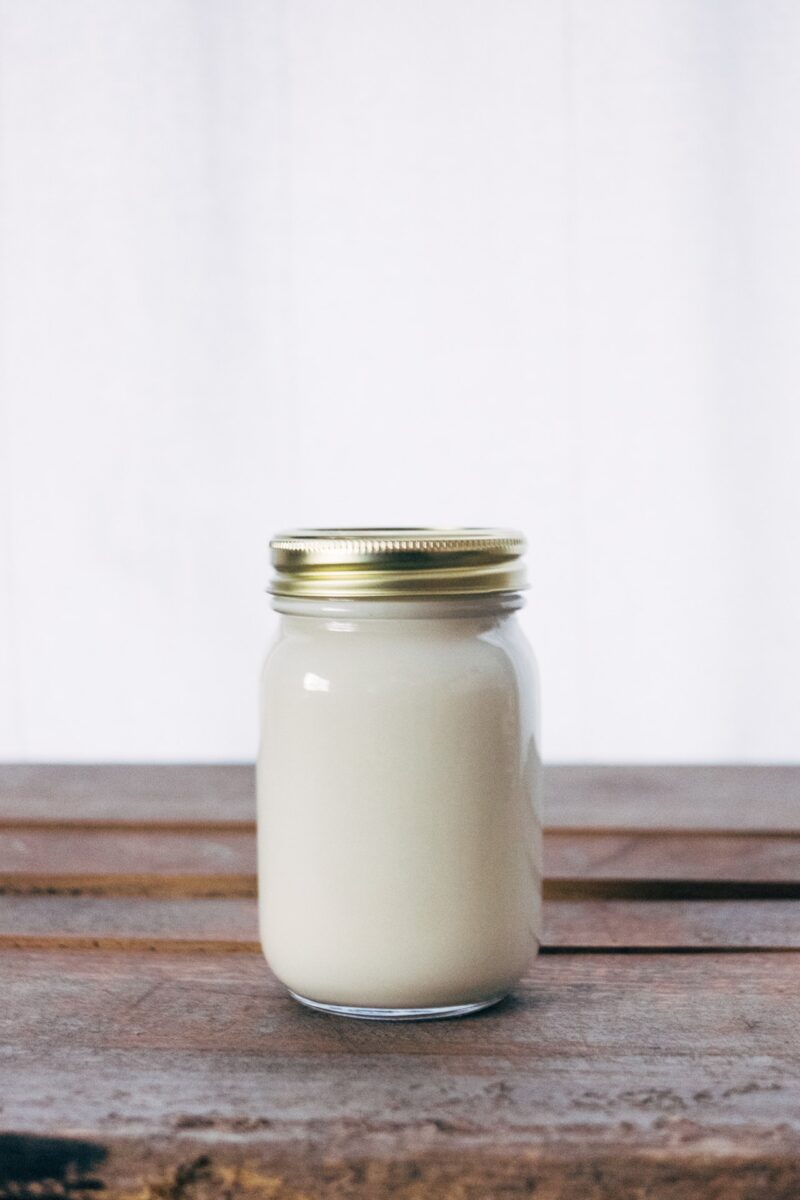
For recipes that require tamarind paste as a souring agent, yoghurt or buttermilk can be effective substitutes. These dairy products add a tangy element while also providing a creamy texture. Use a small amount initially and taste the dish to ensure the desired level of tanginess is achieved.
While tamarind paste brings a unique flavour to dishes, several excellent substitutes are available to ensure your recipes remain delicious even when unavailable.
Lemon or lime juice, vinegar, pomegranate molasses, amchur powder, tomato paste, Worcestershire sauce, kokum, and yoghurt or buttermilk can all be viable alternatives.
Experiment with these substitutes based on the specific requirements of your recipe, and enjoy the flavours they bring to your dinners.
